Local guide to flowers for weddings at Rayners Lane Community Centre
Posted on 25/09/2026
Planning flowers for a wedding at Rayners Lane Community Centre can feel straightforward at first, then suddenly a bit tangled. Which flowers suit the room? What sizes work for a community venue? How do you keep everything elegant without overbuying? This local guide to flowers for weddings at Rayners Lane Community Centre is designed to answer those questions clearly, with practical advice you can actually use.
Whether you are arranging a small registry-style celebration, a larger family gathering, or a relaxed reception after the ceremony, the right floral choices can make the day feel cohesive and personal. The good news is that you do not need a huge budget or a wall of elaborate arrangements to create impact. You need a plan, a sense of proportion, and a few sensible decisions made early. That's the bit people often skip.
In this guide, you will find how wedding flowers work in a local venue setting, what to prioritise, where couples usually go wrong, and how to choose arrangements that look beautiful in photos and in person. We will also cover a useful comparison of styles, a practical checklist, and real-world planning tips for making flower delivery and setup less stressful on the day.
Expert summary: For weddings at a community centre, the best floral choices are usually the ones that balance elegance, durability, and ease of setup. In plain English: flowers that look polished, travel well, and suit the space without fighting it.
Why Local guide to flowers for weddings at Rayners Lane Community Centre Matters
Flowers do more than decorate a venue. They help set the tone of the day, soften plain spaces, and bring the ceremony, photographs, and reception details into one visual story. At a place like Rayners Lane Community Centre, that matters because community venues are often flexible rather than highly styled. They are practical spaces, which is brilliant, but it also means flowers need to do some of the heavy lifting.
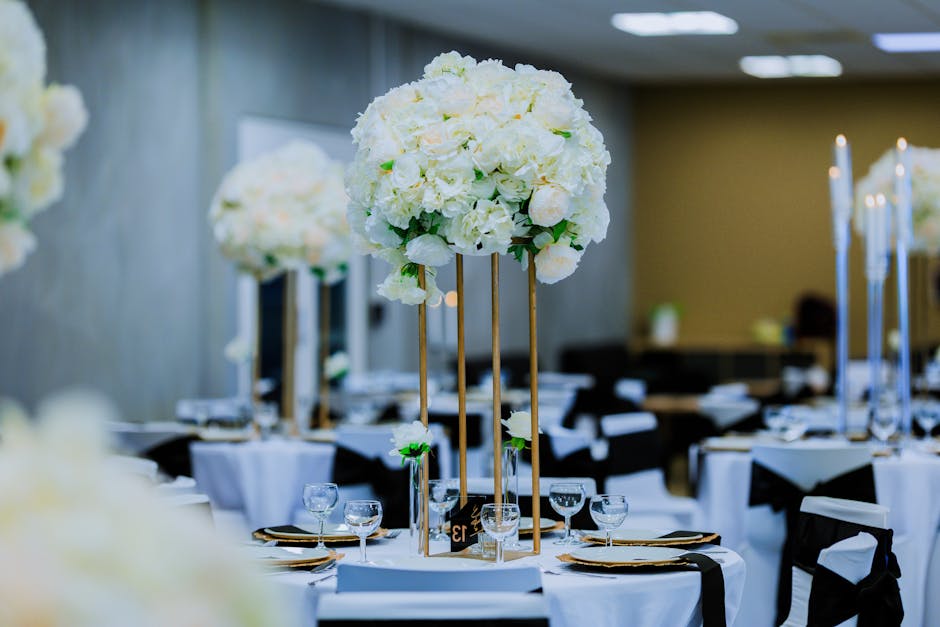
The right arrangements can turn a simple room into something warm and memorable. A modest entrance arrangement by the door, a couple of focal pieces near the table, and a well-shaped bridal bouquet can make the whole event feel considered. Not overdone. Just right. And truth be told, that balance is what many couples want most.
Local planning matters too. A florist who understands the area, typical London wedding timing, and short delivery windows can save you a lot of stress. If your ceremony and reception are happening in the same venue, timing becomes even more important because floral placement needs to happen without getting in the way of guests, registrars, caterers, or family members with "helpful" opinions. You know how it goes.
Another reason this guide matters is that wedding flowers are often one of the easiest places for budgets to drift. One extra arrangement here, one upgraded stem there, and suddenly the total is much higher than expected. A local, venue-aware approach helps you decide where to spend for maximum visual return.
How Local guide to flowers for weddings at Rayners Lane Community Centre Works
Planning wedding flowers for a community centre is a mix of creativity and logistics. You start with the venue layout, then decide what role the flowers need to play. Are they mainly for the ceremony backdrop? The top table? Guest tables? The entrance? The bridal party? Once you know that, choosing the right types and sizes becomes much easier.
In a practical sense, the process usually looks like this:
- Review the venue layout. Look at the room shape, table sizes, entry points, and where guests will sit or stand.
- Decide on the main focal points. Most weddings only need a few strong floral areas, not flowers everywhere.
- Choose a colour story. This can follow the bridal outfit, season, or overall theme.
- Select arrangement types. Bridal bouquets, bridesmaid bouquets, buttonholes, centrepieces, and table arrangements all serve different purposes.
- Match the scale to the room. A compact hall needs different proportions from a large function space.
- Plan delivery and setup carefully. Timing matters so flowers arrive fresh and are placed in the right order.
At Rayners Lane Community Centre, flowers are likely to look best when they are tidy, well-structured, and easy to move. Large trailing designs can be lovely, but they are not always the smartest choice if the venue has tight access or a quick turnaround between events. Sometimes the simplest option is the strongest one. Funny how that works.
Local wedding flowers also tend to benefit from a flexible supplier who can advise on seasonal substitutions. If a particular bloom is not ideal on the day, a good florist can suggest an alternative with a similar shape or feeling. That is useful, especially for couples who want a specific look without taking unnecessary risks.
Key Benefits and Practical Advantages
Choosing flowers with the venue in mind gives you more than a prettier room. It makes the day function better. That may sound boring, but it is genuinely where good wedding planning shows up.
- Better visual balance: Arrangements feel proportionate to the hall, tables, and ceremony area.
- Less stress on the day: When flowers are planned around venue access and timing, setup is smoother.
- Stronger photo results: Flowers that echo the space help photos look more cohesive.
- More budget control: You can focus on high-impact pieces instead of spreading money too thin.
- Freshness and practicality: Locally delivered flowers are easier to time for peak condition.
- Personal style: You can build a look that reflects your taste without forcing an extravagant scheme.
There is also the simple emotional benefit. Guests notice flowers, even if they do not consciously analyse them. A well-chosen bouquet at the entrance or a neat table arrangement can make a room feel welcoming within seconds. That first impression matters. It stays with people.
And if you are trying to keep things tasteful rather than flashy, the venue itself becomes an advantage. Community centres often pair beautifully with classic white florals, romantic blush tones, seasonal mixed flowers, or green-and-white designs. The setting does not need to compete with the flowers. It just needs to support them.
Who This Is For and When It Makes Sense
This guide is useful if you are planning a wedding at Rayners Lane Community Centre and want flowers that feel considered rather than overcomplicated. It is especially helpful for couples who are deciding between doing things simply and going fully styled.
It makes sense for:
- Couples planning a civil ceremony or community venue reception
- Families organising a celebration with limited setup time
- Anyone trying to keep floral costs sensible without losing elegance
- People who want local delivery and fewer moving parts on the day
- Couples comparing bouquet styles, table arrangements, and buttonholes
It also makes sense if you are the sort of person who wants to avoid last-minute panic. Some couples can happily leave flowers to the end and make it work. Most people, to be fair, would rather not be making colour decisions while the suit buttons are still being sewn and the seating plan is half-finished.
If your wedding is intimate, flowers can be restrained and still feel special. If your guest list is larger, you may need a little more structure: a stronger bridal bouquet, several centrepieces, and simple but polished details like buttonholes or corsages. The point is not to buy more. The point is to buy smarter.
Step-by-Step Guidance
Below is a practical way to plan flowers for a wedding at Rayners Lane Community Centre without getting lost in endless options.
1. Start with the venue and schedule
Ask yourself when the flowers need to arrive, who will receive them, and where they will be placed first. If the ceremony and reception are close together, priority goes to the bouquet, any registrar or ceremonial table flowers, and the main guest-facing arrangements.
2. Decide what matters most visually
Not every area needs flowers. In many weddings, the strongest use of budget is on the bride's bouquet, one or two statement pieces, and table arrangements that frame the room. If you are working with a smaller budget, focus on the spots people will actually look at for longer than five seconds.
3. Choose flowers that suit the season and setting
Seasonal flowers tend to look more natural and are often easier to source in good condition. For a venue like this, roses, lilies, alstroemeria, carnations, and mixed wedding flowers can all work well depending on the style you want. A fuller rose look feels classic. Mixed seasonal stems feel softer and more relaxed.
4. Build around the bridal bouquet first
The bridal bouquet usually sets the visual tone. Once that is decided, it is easier to coordinate the bridesmaid bouquets, buttonholes, and table arrangements. This avoids the odd situation where everything is nice individually but slightly mismatched together. Happens more often than you'd think.
5. Keep table designs practical
For guest tables, arrangements should look good without blocking conversation. Low centrepieces are often safer in a community venue, especially if tables are compact. Taller designs can work, but only if the room height and table layout support them.
6. Confirm delivery and setup details
Make sure the florist knows exactly where to deliver, what time access starts, and whether any items need to be chilled or assembled on site. A five-minute mismatch in timing can become a stress point if the venue is busy. Small detail, big difference.
7. Review the final look in writing
Before the day, confirm the colour palette, stem choices, quantities, and any substitutions. If a florist needs to swap flowers for seasonal reasons, you want that handled neatly and early, not in the back of a van while someone is already looking for the cake knife.
Expert Tips for Better Results
Here are the practical things that tend to improve wedding flowers most, especially in a venue setting.
- Choose a tight palette: Two or three colours usually look more refined than a wide mix of shades.
- Repeat key flowers: Repeating the same bloom in the bouquet, buttonholes, and table pieces creates unity.
- Prioritise scent carefully: Strongly scented flowers can be lovely, but in enclosed rooms they can overwhelm. A gentle scent is often enough.
- Think about stems and vessels: The right vase, basket, or arrangement style can make budget flowers look far more polished.
- Use one standout feature: A bridal bouquet, ceremony arrangement, or top table display can be the hero. You do not need three heroes.
- Ask about flower care before delivery: Freshness depends on how the stems are stored and handled on the day.
One thing couples sometimes overlook is how the room will feel once people are inside it. Flowers that look delicate in a quiet shop may need more presence in a busy community hall with chatter, coats, and movement. You want arrangements that still read clearly from a few metres away. That is the real test.
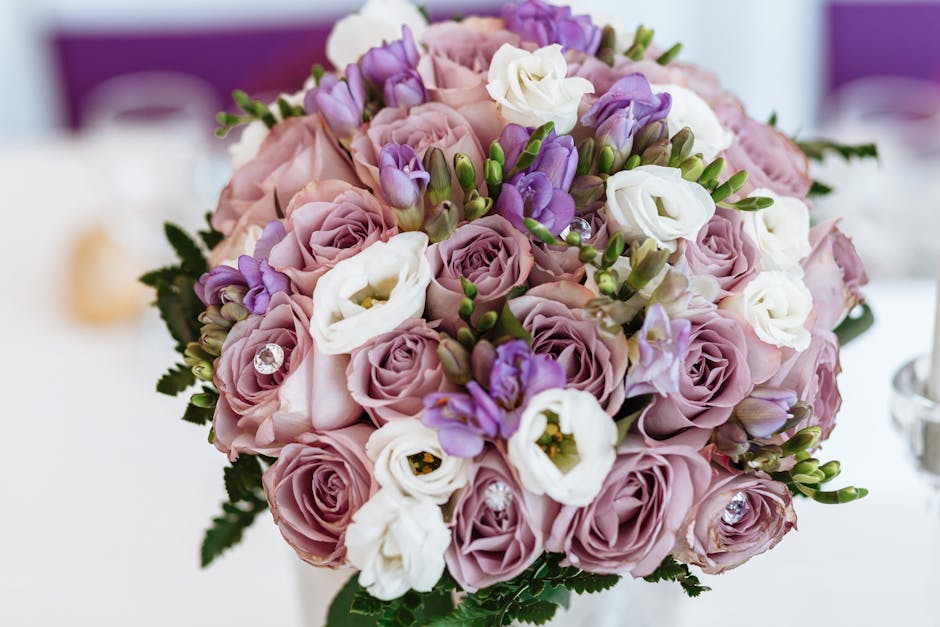
If you are leaning toward a romantic style, soft whites, blush pinks, and pale greens usually work beautifully. If you want something richer, burgundy, deep red, and purple tones can feel dramatic without turning the room heavy. There is no wrong answer, only a better fit for the space.
Common Mistakes to Avoid
Wedding flowers rarely go wrong because of one dramatic error. It is usually a cluster of small things. A little mismatch here, a rushed delivery there. Still, a few common mistakes come up again and again.
- Buying before checking the venue: A beautiful arrangement can look out of scale in the actual room.
- Over-ordering: Too many pieces can make the room crowded and cost more than necessary.
- Ignoring access and timing: If the florist cannot get in easily, setup becomes awkward.
- Choosing fragile flowers for a long day: Some blooms are less forgiving in warm rooms or late ceremonies.
- Forgetting the small pieces: Buttonholes, corsages, and a few table pieces often make the whole plan feel complete.
- Mixing too many styles: A classic bouquet with rustic centrepieces and bright tropical accents can feel confused unless handled very carefully.
Another mistake is treating flowers as the last item on the list. They are not. They affect photography, timing, styling, and even how the venue feels when guests arrive. Leaving them too late can force compromises you would rather avoid.
And yes, sometimes the budget demands compromise. That is normal. The trick is to cut in the right places, not randomly. Fewer, better pieces usually beat lots of half-useful ones.
Tools, Resources and Recommendations
You do not need a complicated setup to plan wedding flowers well. A few simple tools make the whole process easier.
- Venue plan or sketch: Even a rough floor plan helps you decide where flowers will go.
- Colour reference board: Save a few images of the tones and shapes you like.
- Guest table count: This helps avoid over-ordering centrepieces.
- Outfit details: Bouquet and buttonhole colours should work with the dress, suit, and bridesmaid outfits.
- Delivery contact details: Keep venue and florist contact information easy to find on the day.
For practical product ideas, it can help to look at dedicated wedding ranges rather than general occasion flowers. A page such as wedding flowers and event designs can be useful for seeing how bridal bouquets, bridesmaid bouquets, and arrangements fit together as a family of styles. If you are narrowing down bouquet ideas, the bridal bouquet collection and bridesmaid bouquets are particularly helpful starting points.
For groom and party details, smaller pieces matter more than people expect. A neat buttonhole selection keeps the wedding party looking coordinated, while table arrangements help tie the room together without overcomplicating the look. If you want a more joined-up style approach, browsing a complete local wedding flowers option can save time, even if you still customise the details.
For reassurance around service and delivery expectations, it is also worth reading the site's delivery information, guarantees, and flower care guidance. Those pages help you understand freshness handling, timing, and what to expect once flowers arrive.
Law, Compliance, Standards, or Best Practice
For wedding flowers, there is usually no complicated legal issue for the couple, but best practice still matters. If you are working with a florist or venue, you want clear communication, sensible timing, and agreement on what happens if substitutions are needed. That is just good practice, not red tape.
In the UK, event planning generally benefits from a few simple standards of care: clear delivery instructions, responsible handling of fresh flowers, and respect for venue rules around access, setup, and waste removal. If the venue has restrictions on tape, water, open flame, or hanging items, those should be followed carefully. It sounds obvious, but overlooked details like this can trip people up.
It is also sensible to think about accessibility. Flowers should not block walkways, emergency exits, or seating areas. Table arrangements should leave room for guests to talk comfortably. If older relatives or children are attending, low-level, stable designs are often the safest option. Not glamorous, maybe, but very practical.
Best practice also means being realistic about substitutions. Seasonal flowers vary, and a reputable florist should be able to suggest alternatives that preserve the style without pretending every stem is available all year round. Honest advice beats pretty promises.
Options, Methods, or Comparison Table
Different wedding flower styles suit different kinds of venue use. Here is a simple comparison to help you choose the right approach for Rayners Lane Community Centre.
| Style | Best for | Strengths | Things to watch |
|---|---|---|---|
| Classic white and green | Elegant, timeless weddings | Clean, versatile, suits most rooms | Can feel plain if not given enough texture |
| Romantic blush and pastel | Soft, intimate celebrations | Warm, flattering in photos, easy to pair | Needs enough contrast so it does not wash out |
| Bold reds and purples | Statement weddings | Rich, memorable, great for focal pieces | Can overpower a small room if overused |
| Mixed seasonal flowers | Relaxed, natural-feeling weddings | Varied texture, often feels fresh and lively | Needs careful colour control to avoid looking busy |
| Minimal modern styling | Small ceremonies, budget-conscious plans | Clean, unfussy, strong value | Must be well-proportioned or it can look sparse |
If you want the safest choice for a community centre, classic white and green or soft blush styling is usually a reliable starting point. If you want the room to feel more dramatic, add one strong colour accent rather than turning everything into a rainbow. A little restraint goes a long way.
Case Study or Real-World Example
Here is a realistic example based on the kind of wedding flower plan that works well in a local venue like this.
A couple booking a late-morning ceremony wanted a simple but polished look. They chose a medium bridal bouquet, two bridesmaid bouquets, four buttonholes, and three table arrangements. Instead of spreading the budget across lots of decorative extras, they focused on the entrance, the ceremony table, and the top table. The flowers used a white, blush, and soft green palette, which kept the room calm and elegant.
What made this plan work was not the number of flowers. It was the balance. The bouquet felt personal, the table flowers were low enough for guests to chat easily, and the buttonholes tied the wedding party together without shouting for attention. The couple also scheduled delivery before guests arrived, which meant the room was ready without people hovering around trays and boxes. Small win, big relief.
They also kept one practical rule: every arrangement had to look good from a few metres away. That sounds basic, but it matters in a venue where people are moving, chatting, and taking photos at different angles. The result was relaxed, clean, and quietly beautiful. Not overdone. Not underdone. Just right.
If you are planning something similar, this kind of approach usually offers the best blend of value and visual impact. It is less about chasing trends and more about making the space feel like your day.
Practical Checklist
Use this checklist to keep your wedding flower planning on track.
- Confirm the venue name, access time, and delivery point
- Measure or estimate table sizes and count how many need arrangements
- Choose a colour palette that works with outfits and venue style
- Decide on your key focal pieces: bouquet, ceremony flowers, tables, or entrance
- Choose seasonal flowers where possible for better availability and freshness
- Agree how many buttonholes, corsages, and bridesmaid bouquets are needed
- Check whether the venue has rules about stands, candles, or water
- Confirm who will place the flowers and who will sign for delivery
- Review any substitution policy in advance
- Have a backup contact number on the day
One small extra tip: keep a photo of the agreed design on your phone. It helps if someone else needs to check a detail at the venue. Very handy. Probably saved more than one mild wedding wobble, to be honest.
Get a free quote today and see how much you can save.
Conclusion
Flowers for a wedding at Rayners Lane Community Centre work best when they are planned around the venue, not just around a Pinterest board. That is the heart of it. Choose arrangements that suit the room, support the schedule, and reflect your style without adding unnecessary complexity. If you get those basics right, the rest tends to fall into place more easily than you expect.
Whether you lean towards timeless whites, soft romantic pastels, or a richer seasonal mix, the goal is the same: make the day feel warm, personal, and visually calm. In a community venue, that sense of calm can be worth a lot. It helps everyone relax a little, smile a little more, and enjoy the moment properly.
And really, that is what the flowers are for. Not perfection. Just a beautiful setting for a day people will remember fondly.
Frequently Asked Questions
What flowers work best for weddings at Rayners Lane Community Centre?
Classic roses, lilies, alstroemeria, carnations, and mixed seasonal flowers are all strong choices. The best option depends on the room size, the look you want, and your budget. In a community venue, tidy arrangements with good shape tend to work especially well.
How many floral arrangements do I actually need?
That depends on the size of the wedding, but many couples only need a bridal bouquet, a few bridesmaid bouquets, buttonholes, and several table or focal arrangements. It is usually better to focus on a few strong pieces than to spread the budget too thin.
Should I choose seasonal flowers for a local wedding?
Yes, where possible. Seasonal flowers are often easier to source in good condition and can offer better value. They also tend to feel more natural and suited to the time of year, which helps the overall look feel cohesive.
Can I use one colour theme for the whole wedding?
Absolutely. A focused colour palette can make the venue look more polished. White and green, blush and ivory, or deeper jewel tones all work well if they are carried through consistently across the bouquet, tables, and smaller details.
What is the best bouquet style for a community centre wedding?
A medium-sized bouquet with good structure is usually the safest and most flattering option. It should suit your dress and feel comfortable to hold. If the setting is simple, the bouquet can provide a lovely focal point without needing anything oversized.
How far in advance should I order wedding flowers?
It is sensible to start planning early, especially if you want specific flowers or a particular style. Exact timing can vary, but confirming details well ahead of the date helps avoid rushed decisions and last-minute substitutions.
Do buttonholes and corsages matter that much?
Yes, more than people sometimes expect. Small floral pieces help tie the wedding party together and make the overall styling feel intentional. They do not need to be elaborate, just coordinated and well chosen.
What if the venue has limited access time?
Then simplicity becomes your friend. Prioritise the bouquet, key table pieces, and any ceremony flowers first. Clear delivery instructions and a florist who understands timing are especially important in this situation.
How do I keep wedding flowers from looking too formal or too plain?
Add texture, vary the stem shapes, and choose a palette that reflects your personality. Even a simple design can feel special if the flowers are well balanced and the vessels or wrapping are chosen carefully.
Can I use the same florist for my wedding and other flower needs?
Yes, and it can be a practical advantage if you already trust their style and service. Some couples use the same florist for wedding flowers, anniversary gifts, or future occasions because it makes ordering easier and keeps the quality consistent.
What should I ask a florist before booking wedding flowers?
Ask about delivery timing, seasonal substitutions, what is included in the price, how setup works, and whether they can adapt designs to your venue. It is also helpful to ask for examples of bridal bouquets, table arrangements, and buttonholes so you can check the style fit.
Are simple flowers enough for a wedding venue like this?
Yes, definitely. Simple flowers can look very elegant when they are well chosen and proportioned to the space. A few thoughtful arrangements often create more impact than lots of busy decoration. That is especially true in a community centre setting where clarity and balance matter.